Low-Impact Cross-Training on Real World Roads on your Smart Trainer — Try RideTheBound Free
Sign In
Beginner guide

How to Choose Trail Running Shoes

What lugs, drop, stack height and rock plates mean, how a trail shoe should fit, and which shoes suit mud, rock, long distances or your first trails, with specs from our catalog.

5 min readUpdated Oct 4, 2026By Alberto Cruz

Key takeaways

  • Choose by your terrain first: grip that suits mud is wrong on rock, and the other way round.
  • Fit beats everything else: a thumb's width in front of your toes and a heel that doesn't lift.
  • More cushioning is more forgiving for new trail runners and long distances; less gives more feel for technical ground.
  • Move to a lower drop gradually: your calves and Achilles need weeks to adapt.
  • Most trail shoes last about 500–800 km; worn lugs and new aches mean it is time.

01Start with your terrain

Dry paths and mixed ground

  • Moderate lugs of about 3–4 mm.
  • Comfortable on the road to the trailhead too.
  • The best choice for most beginners.

Mud and wet grass

  • Deep, widely spaced lugs of 5 mm or more that shed mud.
  • A snug fit so your foot doesn't slide inside the shoe.

Rock and technical mountain trails

  • Sticky rubber and protection: a rock plate or a firm, thick midsole.
  • A precise fit around the midfoot for control.

Long distances and ultras

  • More cushioning to protect tired legs in the later hours.
  • A roomier toe box: feet swell over long runs.

02The specs, explained

SpecWhat it isWhat to choose
LugsThe studs on the outsole3–4 mm for dry and mixed trails, 5 mm or more for mud
DropHeight difference between heel and forefootSimilar to your current shoes; change it gradually
Stack heightHow much material is under your footHigher for comfort and long runs, lower for feel and stability
Rock plateA stiff layer that blocks sharp stonesUseful on rocky trails, not needed on soft ground
UpperThe fabric around your footDurable and drains well; a toe bumper protects against rocks
WeightGrams per shoeMatters less than fit and comfort for most runners

03How a trail shoe should fit

  1. 1

    Leave a thumb's width at the front

    On descents your foot slides forward. Without room, your toes hit the front and you lose toenails.

  2. 2

    Lock the heel

    Your heel shouldn't lift when you walk uphill. Use the last eyelet to tie a heel lock if it does.

  3. 3

    Check the width

    Your toes should spread without pressing on the sides. Many brands offer wide versions.

  4. 4

    Try them at the end of the day

    Feet are largest in the evening and after running. Wear the socks you run in.

  5. 5

    Walk down a slope

    In the shop, on a ramp or stairs. It is the test that tells you the most about fit.

04Which shoe for which runner

ShoeBest forDropHeel stackWeight
Hoka Challenger 8Road to trail, first trails7 mm44 mm275 g
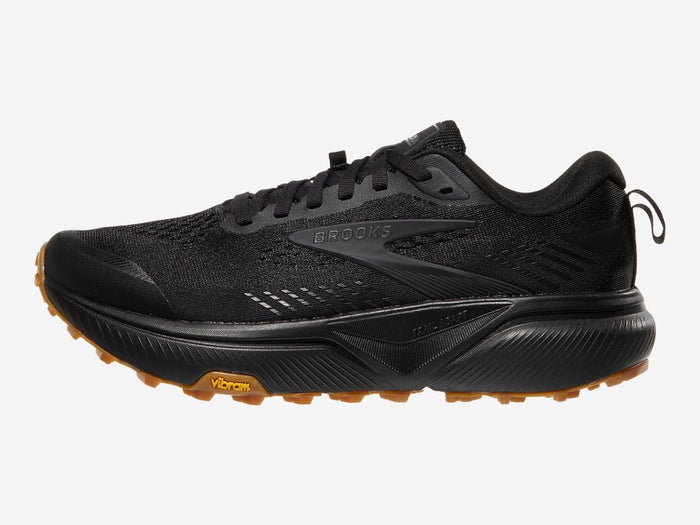
Brooks Cascadia 20Stable all-rounder6 mm39 mm298 g
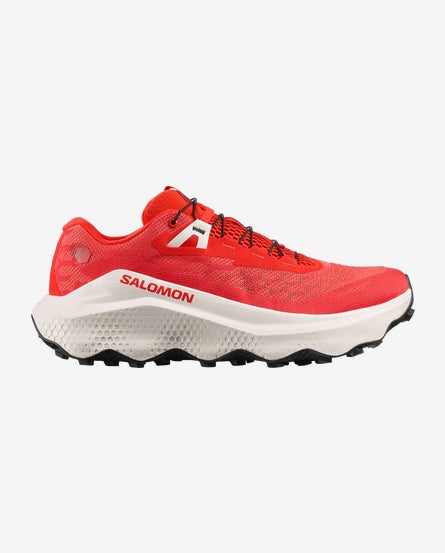
Salomon Ultra Glide 4Cushioned long runs on mixed trails6 mm39 mm275 g
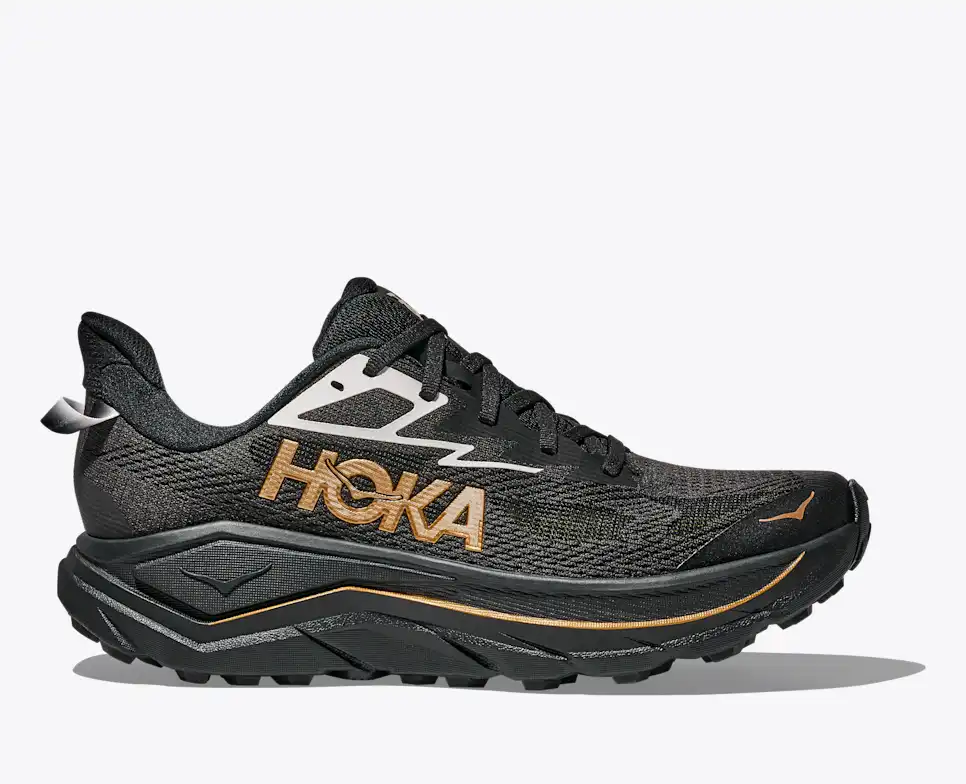
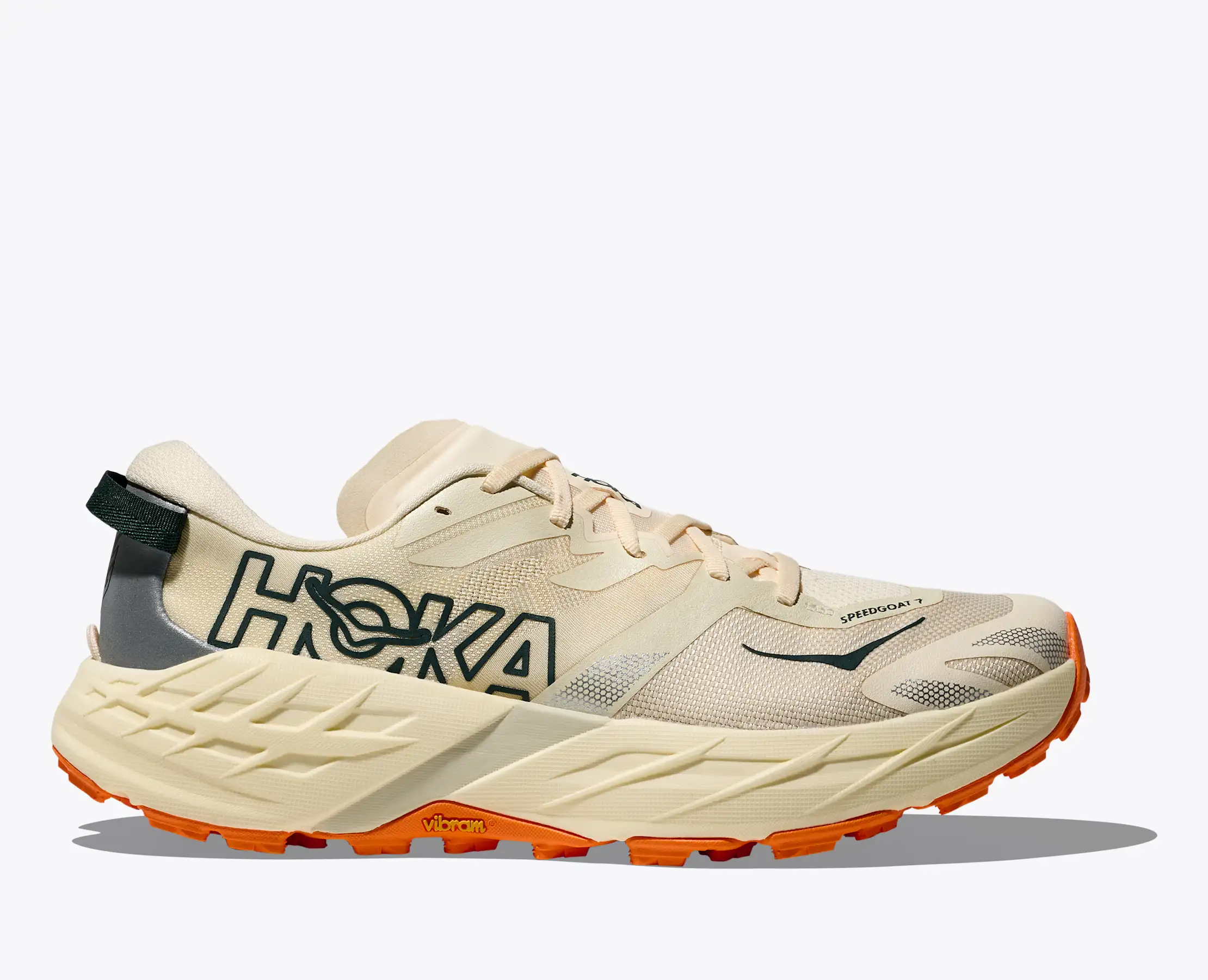
Hoka Speedgoat 7Cushioned grip on technical trails5 mm38 mm272 g
Asics Trabuco 14Rocky, uneven ground8 mm36 mm278 g
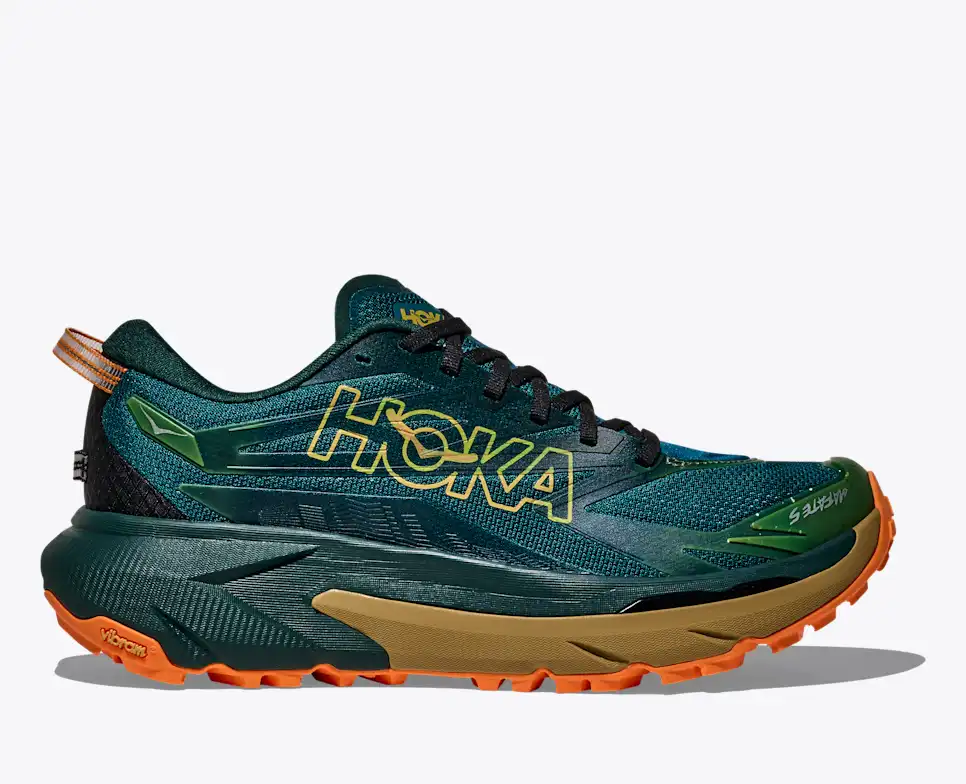
Hoka Mafate 5Maximum cushioning in the mountains8 mm44 mm315 g
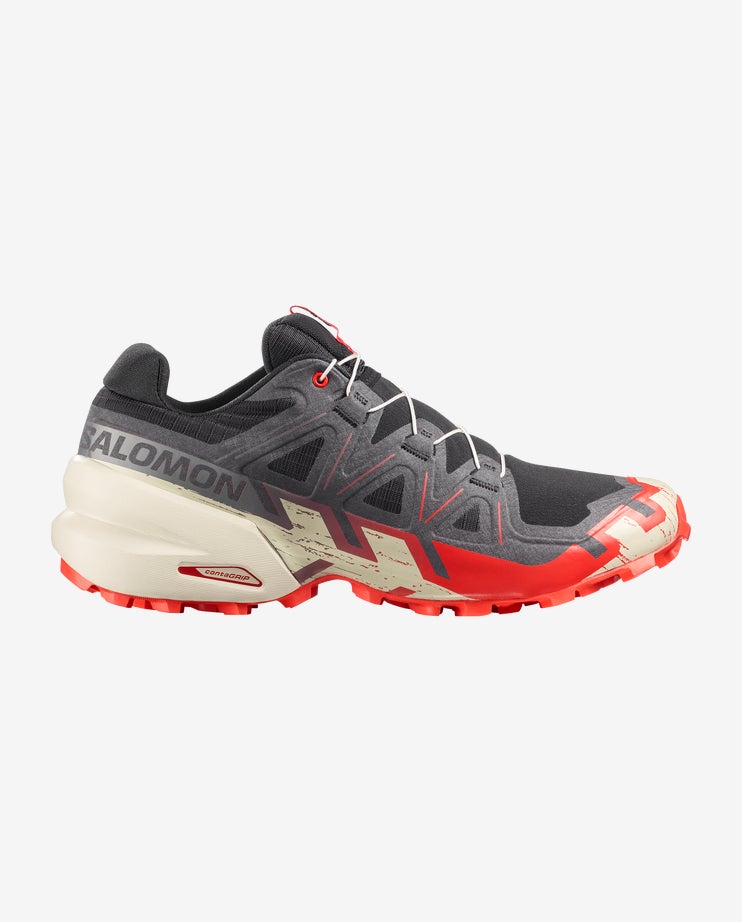
Salomon Speedcross 6Mud and soft ground10 mm32 mm298 g
Altra Lone Peak 9Zero drop and a wide toe box0 mm25 mm295 g
Specs as listed in our catalog. Weights are the brand's figure, usually for a men's size.

Versatile: first trails and mixed ground

Technical trails and long distances

Specialists: mud and zero drop

05Changing drop safely

Moving to a lower drop shifts work from your knees to your calves and Achilles. It can suit you well, but those tissues need time.

06Waterproof (GTX) or not?

Worth it

  • Cold, wet weather, snow and dew-soaked grass.
  • Runs where your feet stay dry from the outside.

Skip it

  • Summer and warm weather: feet get hot and sweaty.
  • River crossings and deep mud: once water gets in over the top, it can't get out.

07When to replace them

  1. 1

    Lugs worn flat

    Especially under the forefoot. You will notice you slip where you used to grip.

  2. 2

    Creased, flat midsole

    Deep creases along the side and a feeling of hitting the ground harder.

  3. 3

    New aches

    Knee or foot pains that weren't there before, with the same training.

Frequently asked questions

Do I really need trail shoes?

On smooth, dry paths you can start in road shoes. On mud, loose rock or steep descents, trail shoes give the grip and protection that keep you on your feet.

Should I size up for trail running?

Many runners go half a size up from their everyday shoes, so their toes don't hit the front on descents. Always check the thumb's width of room.

How long do trail running shoes last?

Usually about 500–800 km, depending on your weight, the terrain and the shoe. Rocky trails wear outsoles faster than soft ground.

Can I run on the road in trail shoes?

Yes, short sections are fine, and road-to-trail shoes like the Hoka Challenger are made for it. Long road runs wear the lugs down faster.

Is more cushioning always better?

No. More cushioning is comfortable on long runs and for heavier runners, but less cushioning gives more stability and feel on technical ground. Choose by your terrain and distance.

Next steps

All guides